Blog

Color image from Morocco with high colors

Cross processed travel photography

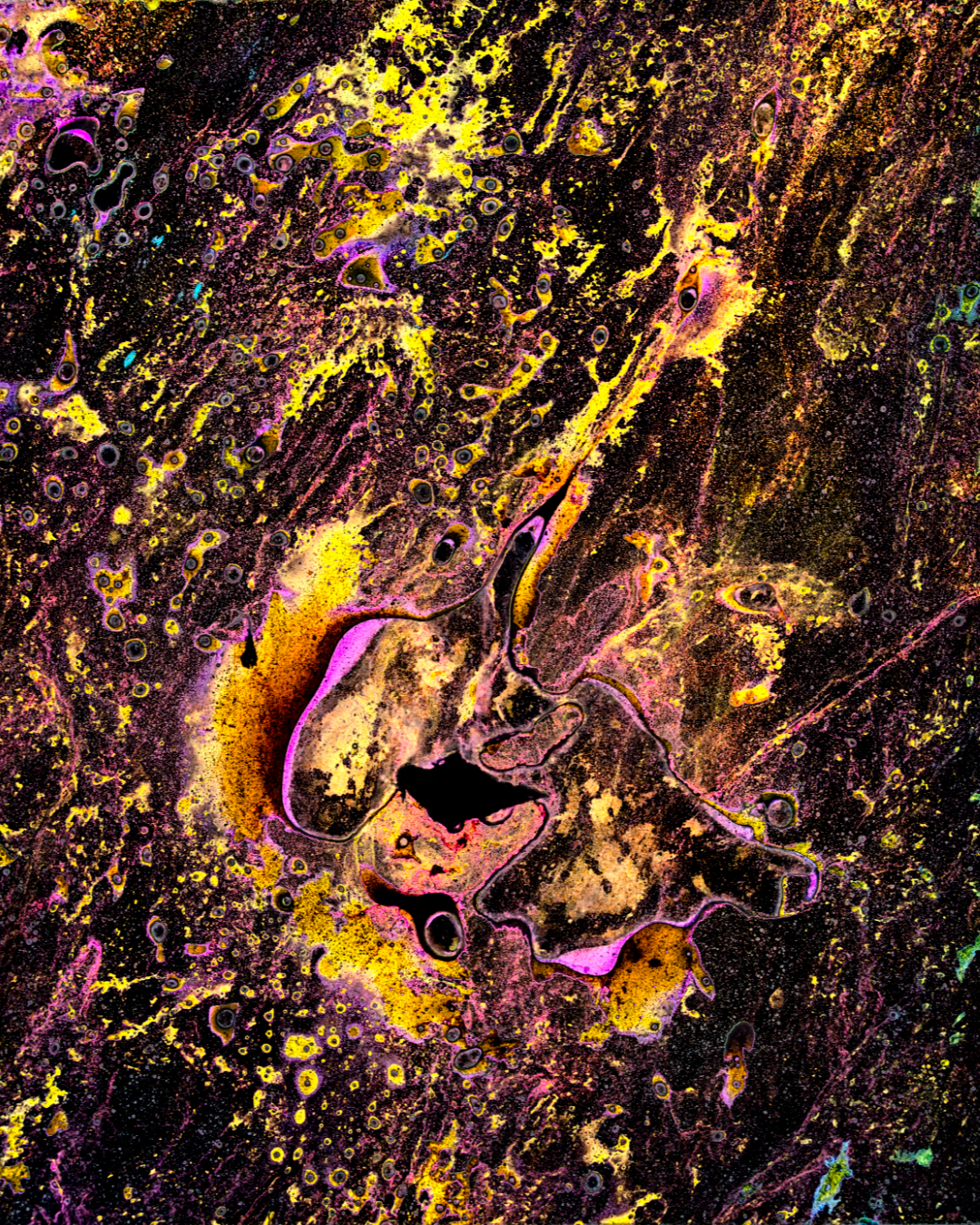
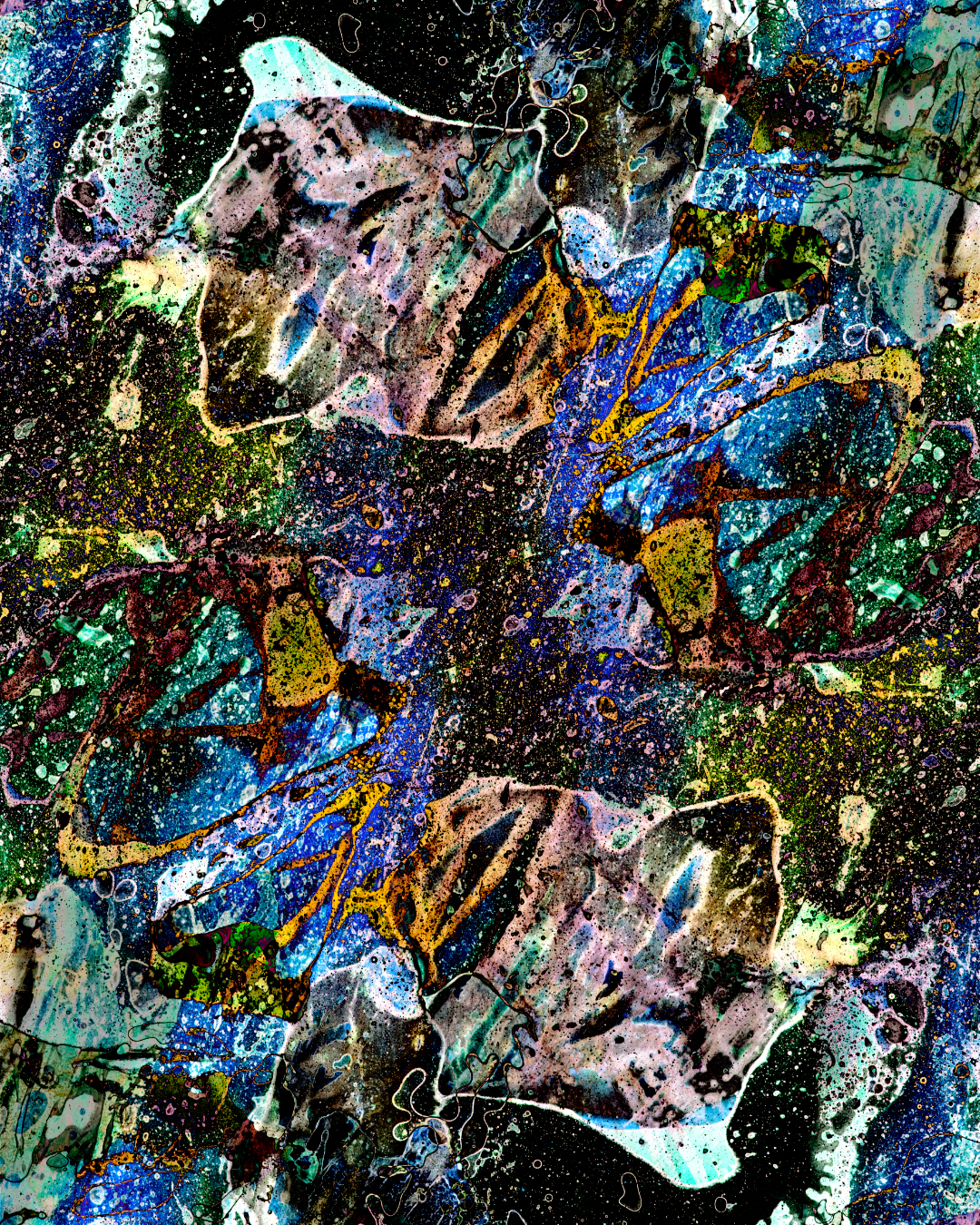
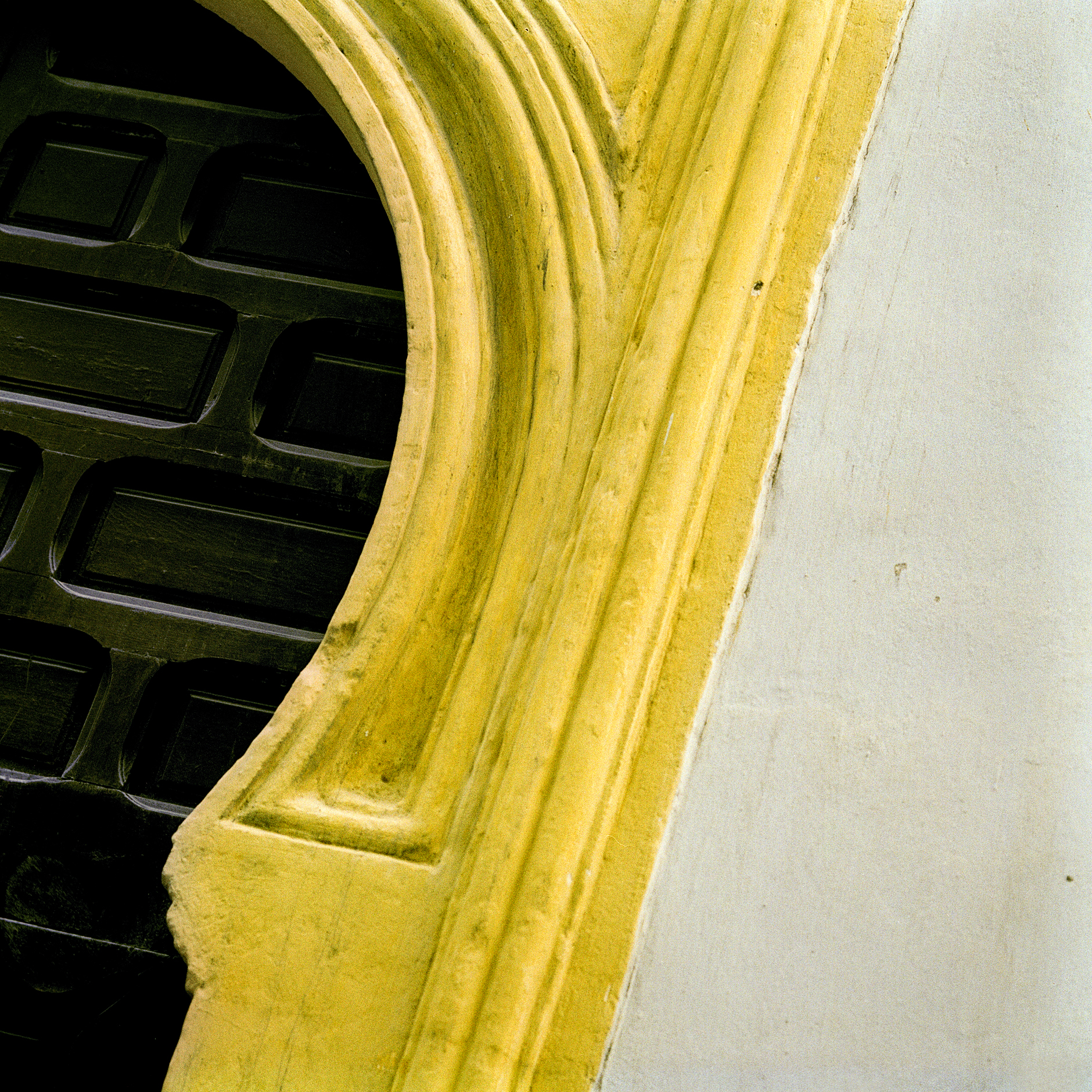
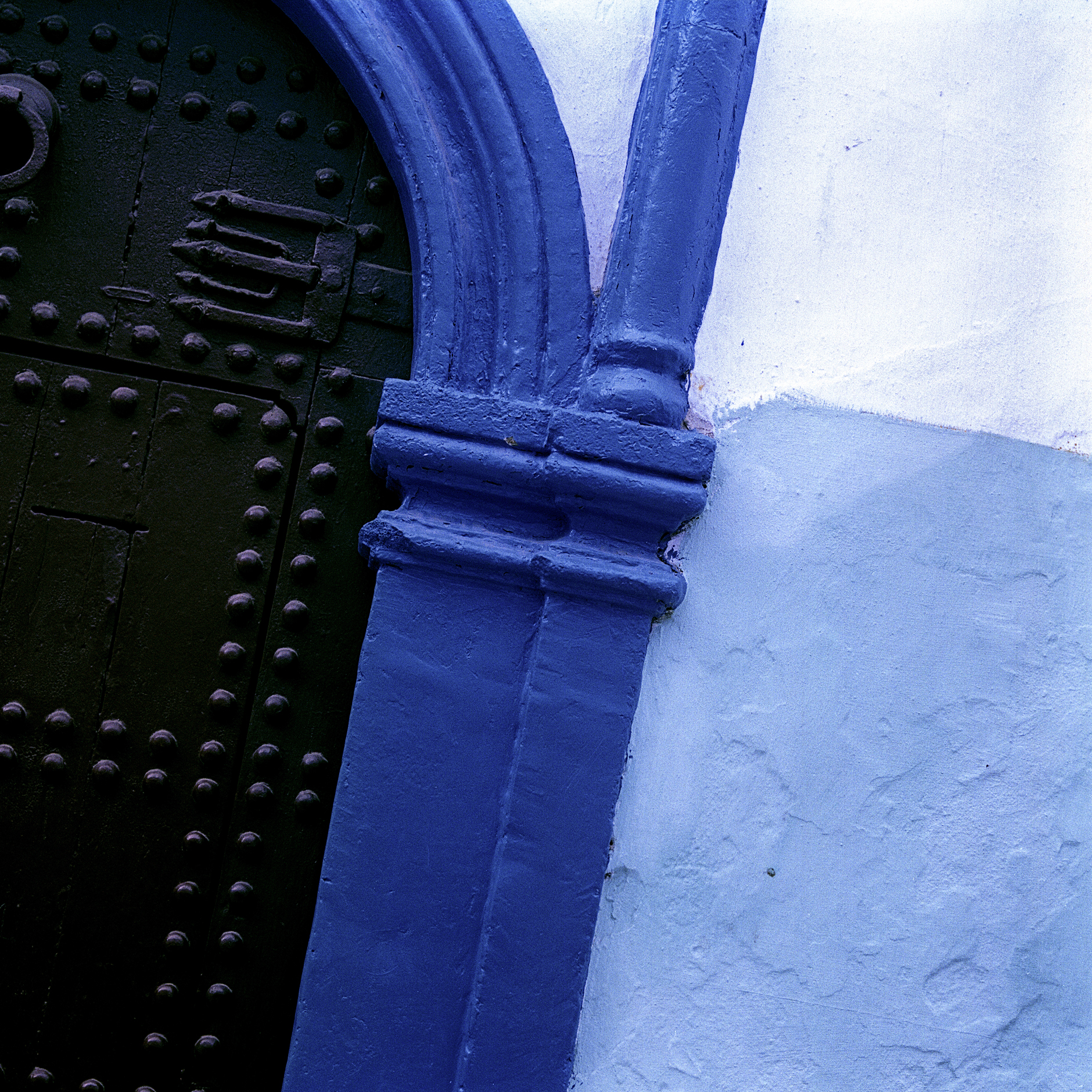
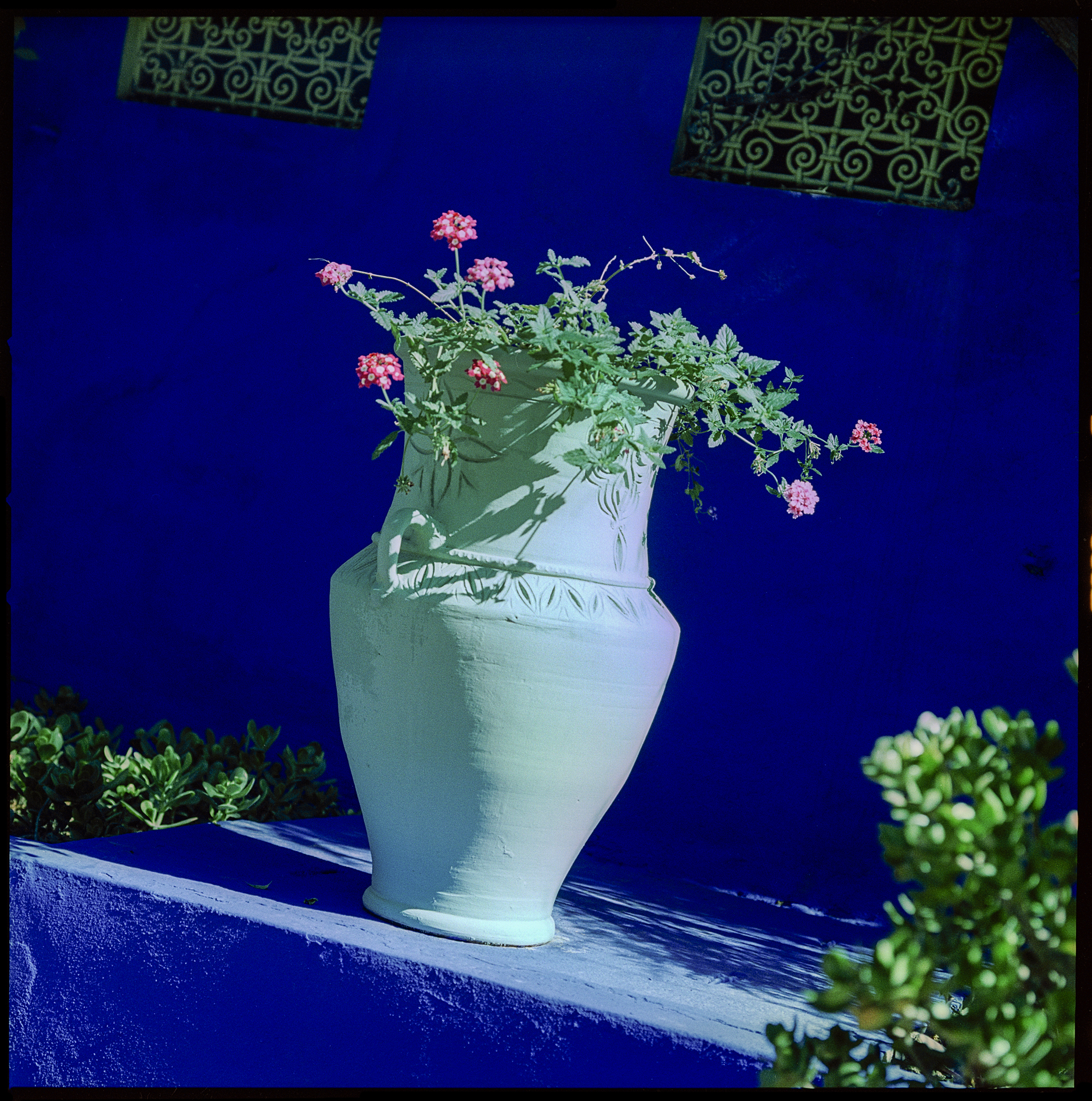
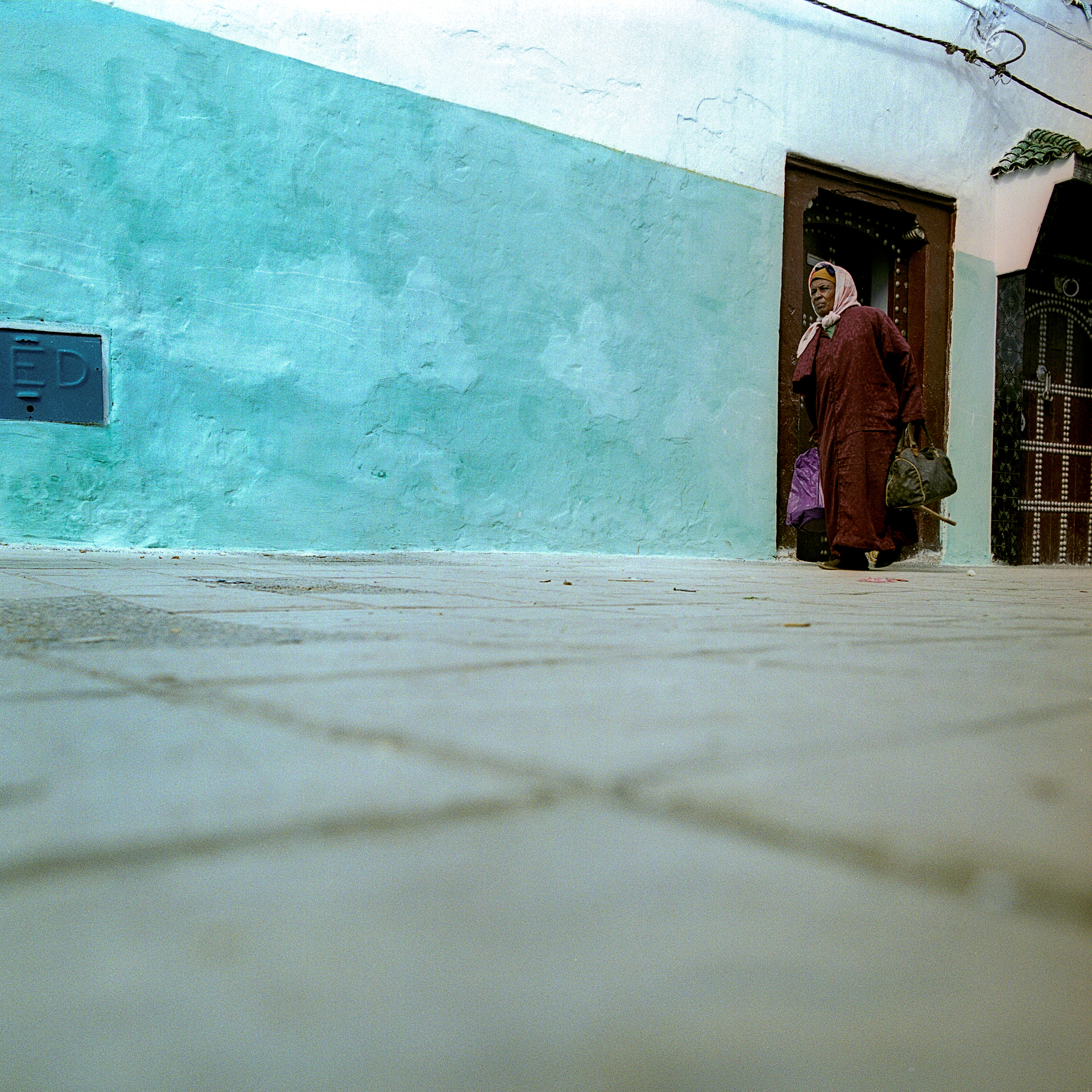
[caption id="attachment_1348" align="alignnone" width="1024"] Slide film processed in C-41 Morocco[/caption]   I found that one advantage of using old film is that it tends to be less contrast. The exposure also has some impact on the contrast. Normally a small to large overexposure is advisable, but testing different exposure to find the right look is a good course of action. If you develop the film by your self, experimenting with the development time can be a good advice.

Color image from Morocco with high colors

Cross processed travel photography

[caption id="attachment_1349" align="alignnone" width="1024"] Slide film processed in C-41 Morocco[/caption]   This problem may occur both in traditional printing and scanning, but most scanners do not perform well with dens and high contrast negatives. These Images are scanned, but if I would digitize them today I would use my Nikon camera instead. Shooting the negative gives more options regarding the exposure. I found that one advantage of using old film is that it tends to be less contrast. The exposure also has some impact on the contrast. Normally a small to large overexposure is advisable, but testing different exposure to find the right look is a good course of action. If you develop the film by your self, experimenting with the development time can be a good advice.

Color image from Morocco with high colors

Cross processed travel photography

[caption id="attachment_1347" align="alignnone" width="1016"] Slide film processed in C-41 Morocco[/caption]   Although, the technique may not be easy to print and or scan. When having very high contrast negative the shadows in the picture tend to bleed into the mid and high tones. Even the unexposed borders of the film could be a problem, creating shadows in the outer part of the image. That’s why in some of the upcoming examples I have cropped the images. The border problem could be addressed with a tight frame, that crop just inside the exposed part of the film strip. This problem may occur both in traditional printing and scanning, but most scanners do not perform well with dens and high contrast negatives. These Images are scanned, but if I would digitize them today I would use my Nikon camera instead. Shooting the negative gives more options regarding the exposure.    

Color image from Morocco with high colors

Cross processed travel photography

[caption id="attachment_1345" align="alignnone" width="1024"] Slide film processed in C-41 Morocco[/caption] From time to time I came across some outdated slide film. when in general not interested in producing slides I usually process the film in C-41. Some films are better for this process, to me, the Kodak slide films are the best. Not to much color shift and not to extreme contrast. Although, the technique may not be easy to print and or scan. When having very high contrast negative the shadows in the picture tend to bleed into the mid and high tones. Even the unexposed borders of the film could be a problem, creating shadows in the outer part of the image. That's why in some of the upcoming examples I have cropped the images. The border problem could be addressed with a tight frame, that crop just inside the exposed part of the film strip.  

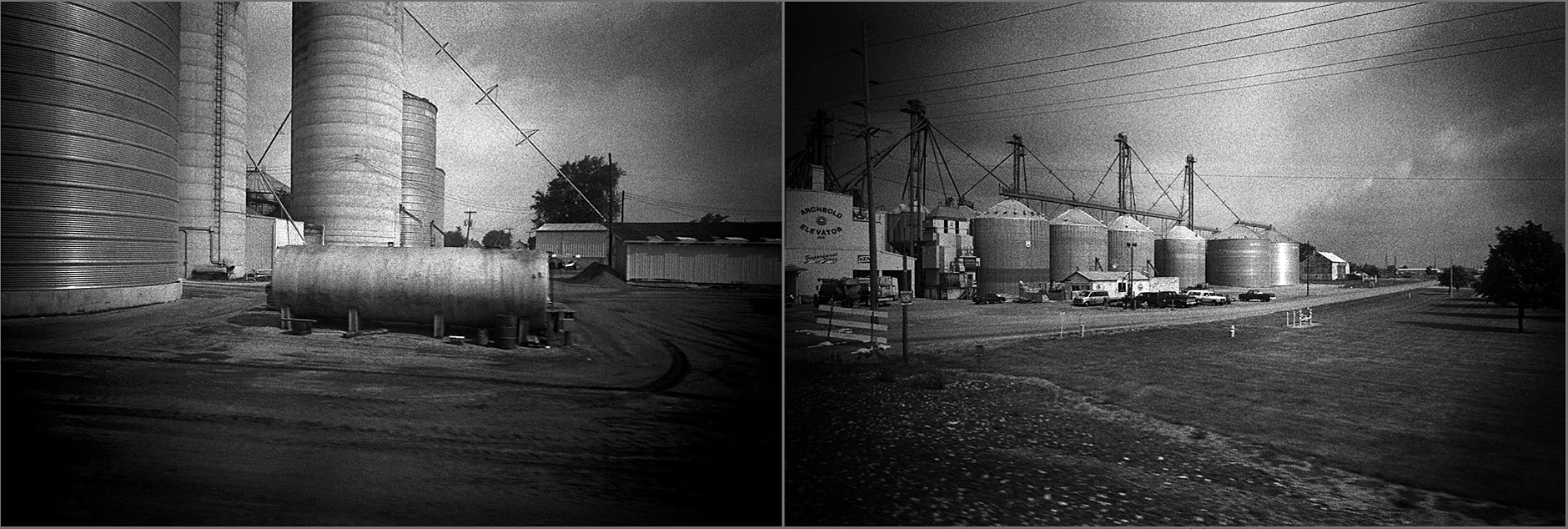
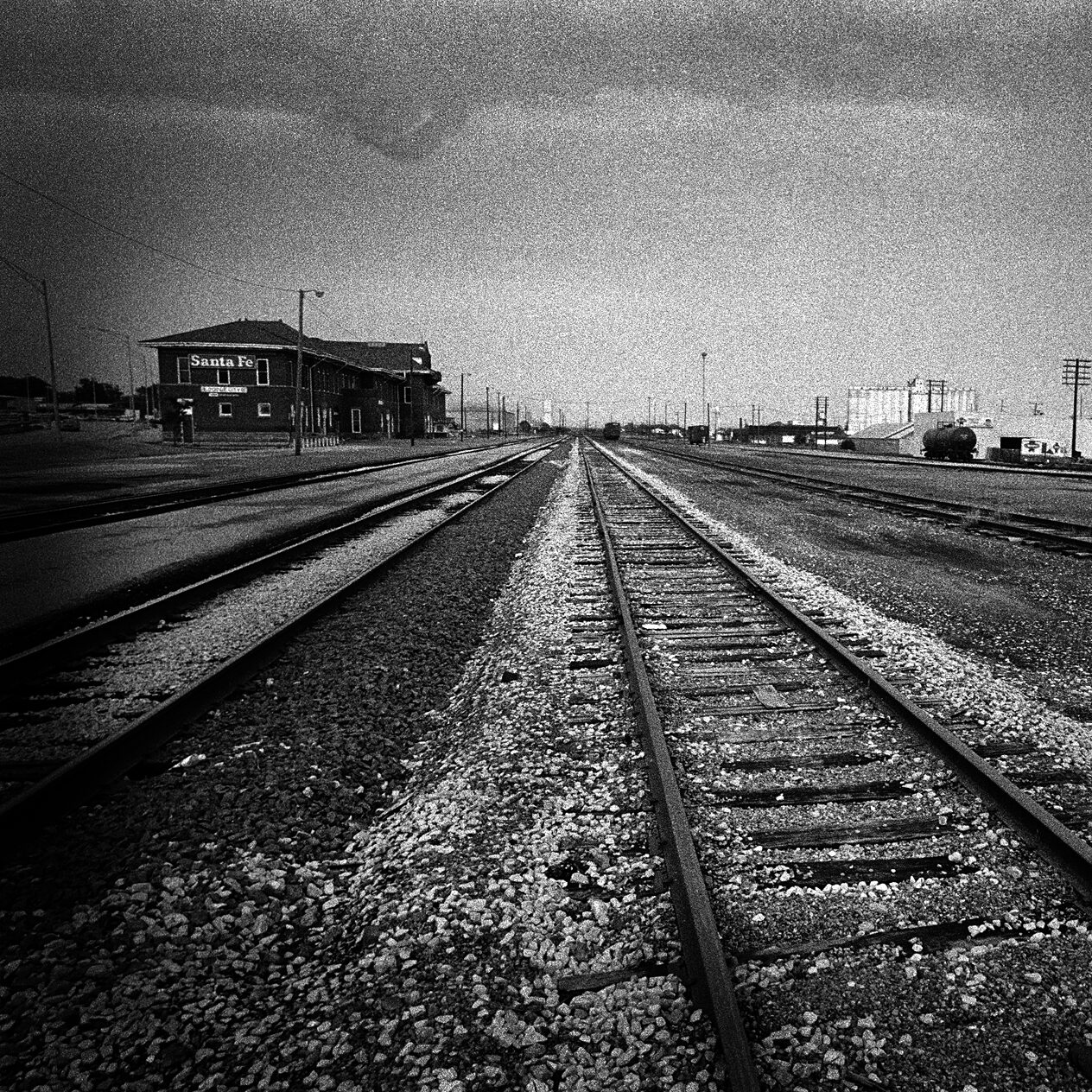
Black and white image of a train a train ride in the USA

The Train Ride Project

[caption id="attachment_1292" align="alignnone" width="1024"] The Train Ride[/caption] I finally got around to finish the film with the train ride I did when I was a student in the USA. I started this a few years ago but was not satisfied with the music I tried to make my self. All of the images are shot with my Leica M2 and a 21 mm lens, except one or two at the beginning of the film. The film is coming up by the end of the week so this is going to be a shorter project. Se more pictures in the older posts here and here